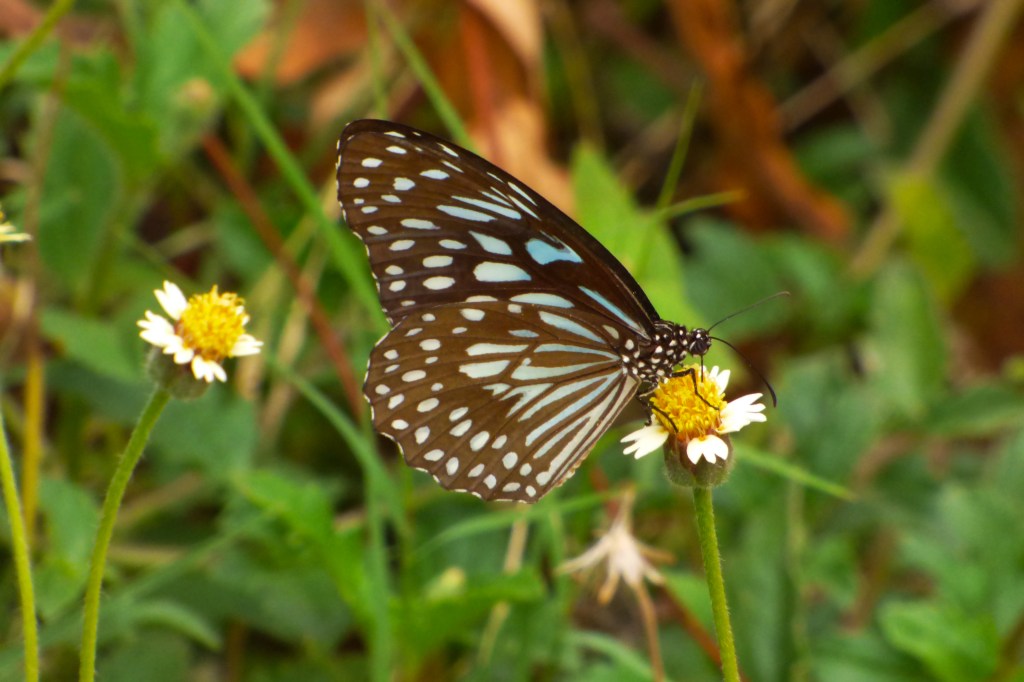
What is the reaction when you hear a butterfly is toxic? Many people will get astonished after hearing this statement, as how such beautiful animal’s can be toxic; but in reality it is true.
Many species of butterflies are toxic for their predators, which are likely to be the birds, invertebrates and small vertebrates. Toxic butterflies in their larval stages sequester secondary metabolites from their host plants. Milkweed plants are one those group of plants which contain chemicals like cardenolides as secondary metabolites to avoid herbivory. But the larvae of these toxic butterflies have evolved the mechanism to feed on these milkweed plants, which help them for their survival during all the stages of life (larvae-pupa-butterfly). If any predators of these butterflies feed on them, they usually vomit out immediately and can even cause severe digestion problem and nausea.
As these butterfly species feed on milkweed plants, they are also sometimes termed as milkweed butterflies. The common milkweed butterflies found across India are Plain tiger (Danaus chrysippus), striped tiger (Danaus genutia) , Blue tiger (Tirumala limniace ), Dark blue tiger (Tirumala septentrionis), Common Crow (Euploea core) . Many other butterflies belonging to the family Nymphalidae are also milkweed butterflies; therefore they have very less predation pressure. There are few Papilionidae species which are also termed as toxic like Crimson rose ( Pachliopta hector ), Common rose (Pachliopta aristolochiae ).
Below are photographs of few of the above mentioned toxic butterflies.

Plain Tiger butterfly

Striped Tiger butterfly
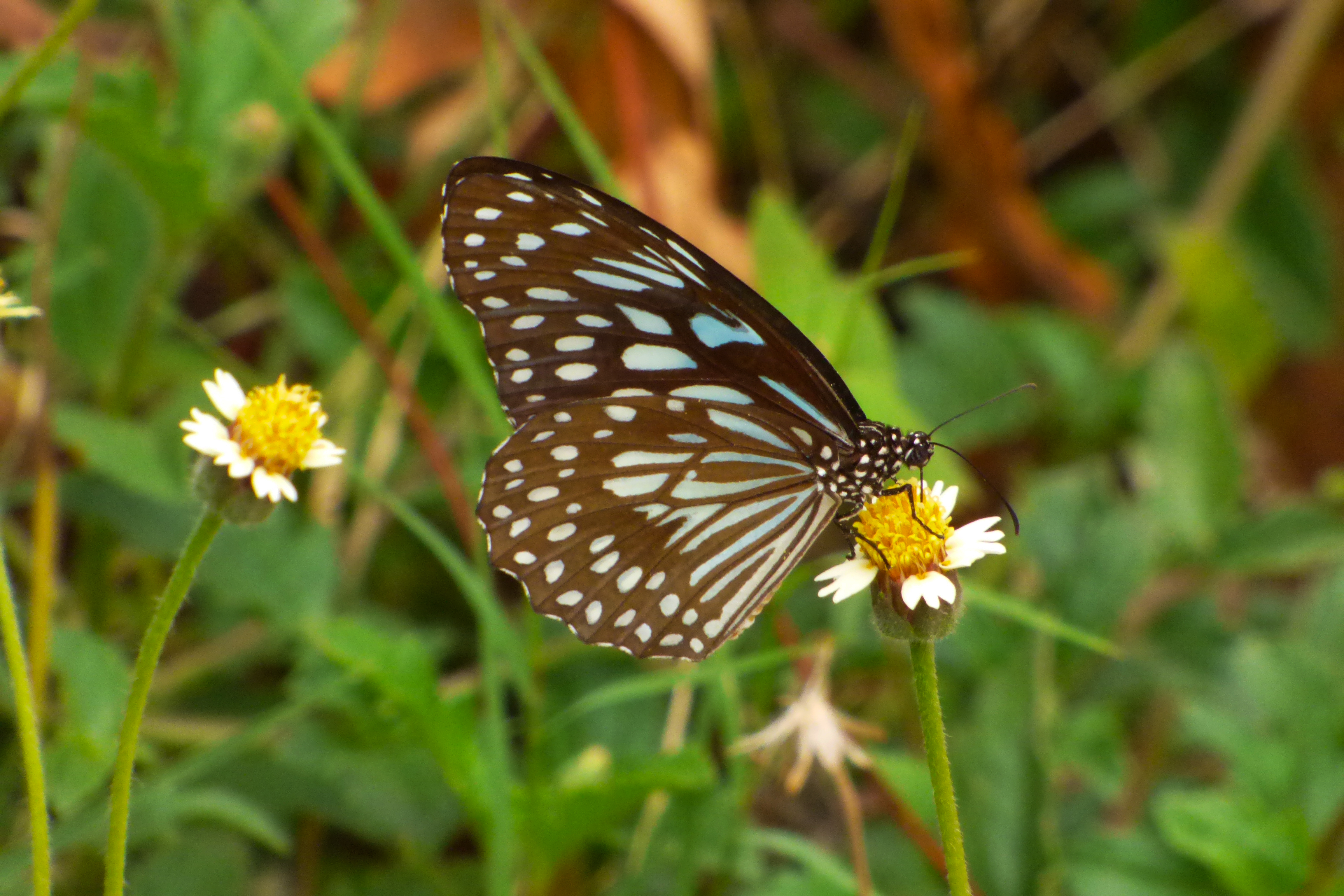
Blue Tiger butterfly
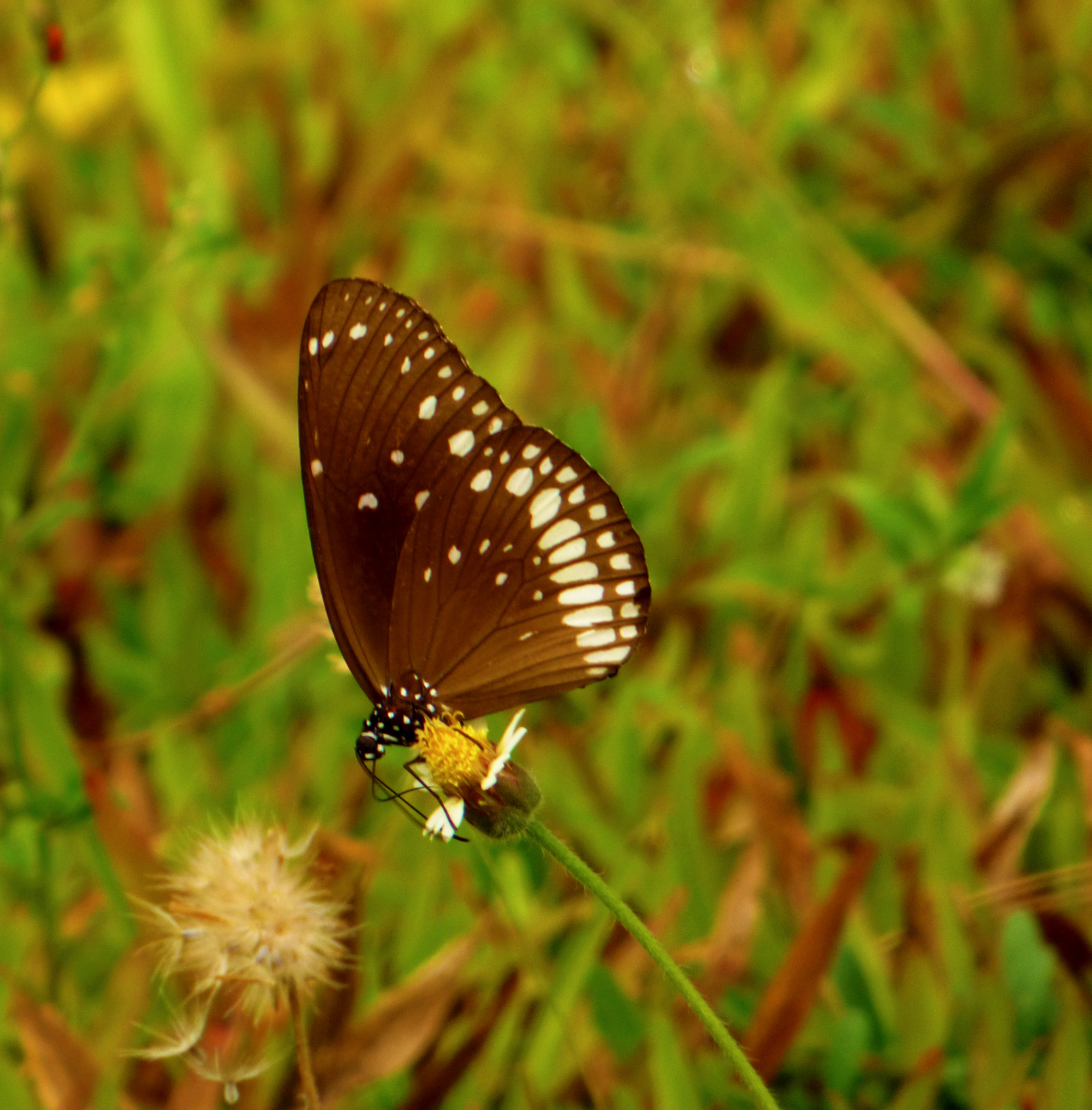
Common Crow butterfly

 shomeclicks
Leave a comment