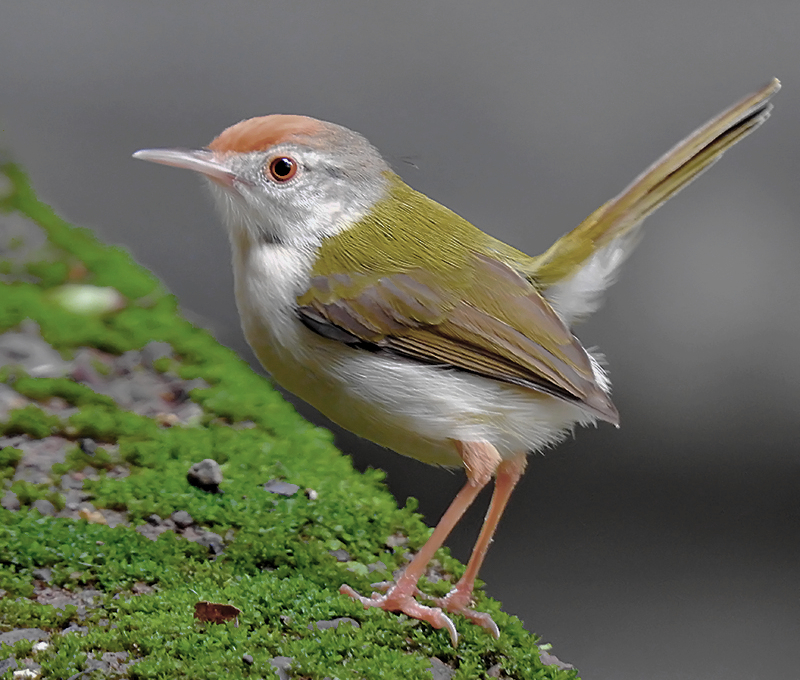
Have you ever heard that soft “cheep‑cheep” in your backyard, spotted a tiny olive‑green bird darting among the leaves, and wondered what it’s up to? If our neighborhood Darzee—the Common Tailorbird—paid you a visit this morning, count yourself lucky. You’ve just gotten front‑row seats to one of nature’s most ingenious architects.
Image Courtesy: Wikimedia Commons
The Insect Buffet and City Challenges
Tailorbirds are voracious insectivores: they feast on everything from beetles and caterpillars to the ants you find crawling up your balcony walls. In fact, insectivorous birds worldwide consume an estimated 400–500 million tons of prey every year, playing a critical role in controlling pest populations in both wild and urban settings.
In a perfect forest, Darzee’s menu is endless. In our cities, though, green patches shrink and insect numbers dwindle. Yet our crafty tailorbird adapts—hunting among the marigolds on your balcony, probing the flowerbeds in a pocket park, or even snatching aphids from a community‑garden plot. By doing so, she not only feeds her hungry chicks but also keeps our urban plants healthier.
When insects become scarce, Darzee works harder—covering more ground and even singing at higher pitches to rise above traffic noise. Studies show city‑dwelling tailorbirds shift their song frequencies upward so their calls aren’t drowned out by the rumble of buses and motorcycles
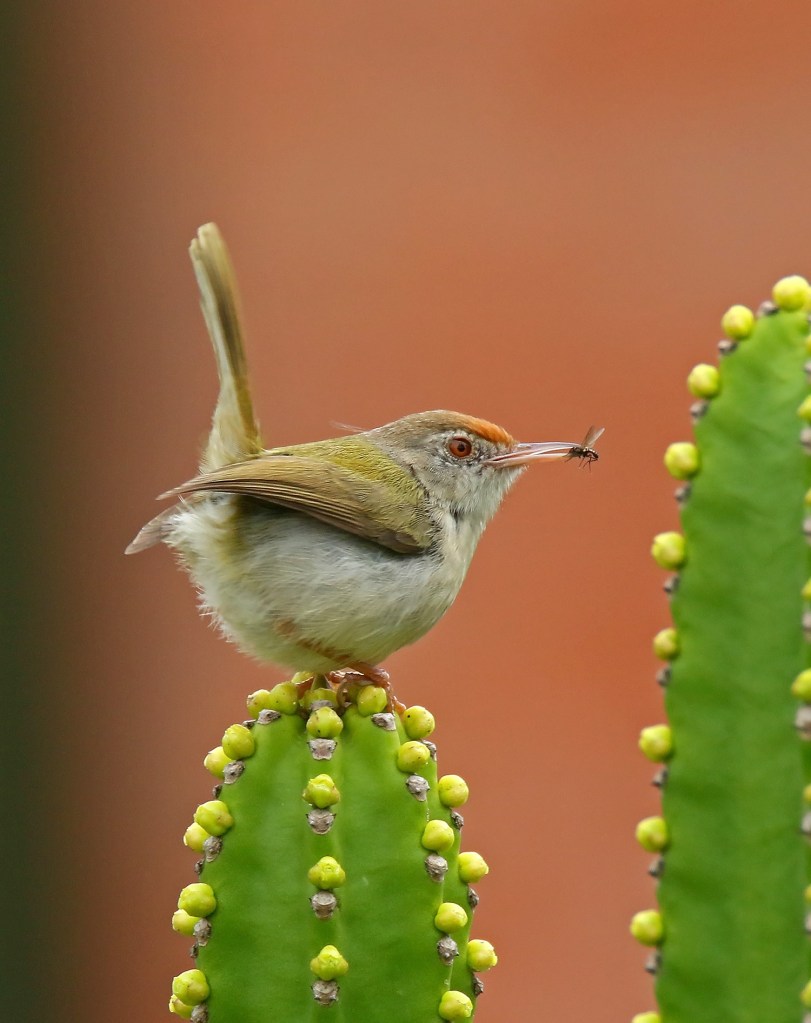
Image courtesy: Wikimedia Commons
Stitching a Home, One Leaf at a Time
Have you ever wondered why Rudyard Kipling named his chatty Jungle Book character Darzee? Picture this: a tiny bird selects a broad, flexible leaf—maybe from a garden hedge or a potted plant—then uses her needle‑shaped beak to perforate dozens of pinpricks along its edge. She threads plant fibers, discarded cotton strands, or even spider silk through those holes, “sewing” the leaf into a snug pocket. Inside, she fashions a soft cup of grass and moss to cradle her eggs.
In dense forests, this clever sewing shields chicks from predators and rain. In our urban jungles—city parks, roadside hedges, and balcony gardens—the same skill turns even the smallest shrub into a cozy, hidden nest.
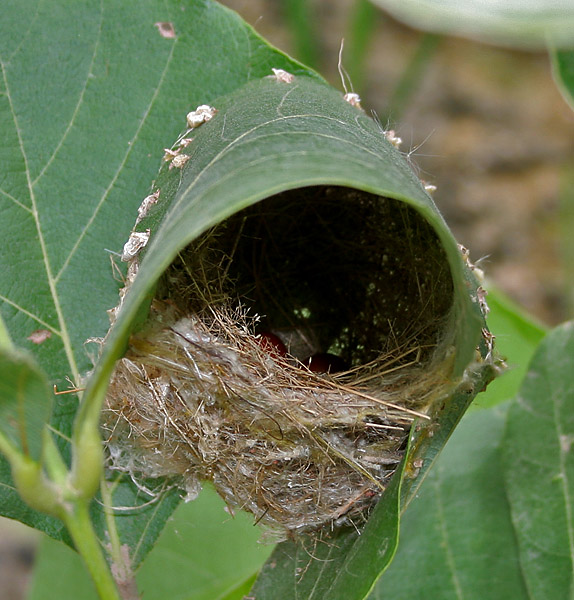
Image courtesy: Wikimedia Commons
Songs, Stories, and a Dash of Folklore
We’ve long celebrated Darzee’s craft and character. In The Jungle Book, Kipling’s tailorbird narrates jungle tales with zest. In Bengali folklore, “Tuntuni” appears in children’s rhymes for her cleverness and good luck. Spotting her botanical needlework is a reminder that even amid our busy lives, a little wonder still thrives.
Why Our Cities Need Darzee
Beyond her charming habits, the tailorbird is a vital bioindicator. Because she relies on insects—and those insects depend on healthy plants—a decline in Darzee numbers signals that our urban ecosystems may be faltering. Maintaining diverse, insect‑rich green spaces isn’t just good for birds; it keeps the entire city ecosystem in balance. Next time you sip your morning tea and hear that brisk “cheep,” look for movement among the leaves. You might just glimpse your neighborhood Darzee, diligently sewing her urban abode or hunting down a juicy caterpillar. In that moment, you connect to an age‑old story where science and tradition meet: the story of a small bird reminding us how beautiful—and essential—nature remains in our bustling city lives.
 shomeclicks
Leave a comment