
While it rained all day, I broke my usual weekend routine and, in a small act of rebellion against every Bengali mother’s rules, made myself a cup of tea at lunchtime. From my balcony, I watched the plant pot fill and overflow, rainwater spilling over its edge in slow. The scene was strangely hypnotic—like the opening of Christopher Nolan’s Oppenheimer, where Cillian Murphy’s character traces ripples in a puddle, mesmerized by each drop.

As I leaned against the railing, watching droplets dance on the pot’s rim, my mind wandered to an old thought: the diamond‑water paradox. We splash our pocket out on shimmering gems because they’re rare, yet barely bat an eye at water that sustains every breath, every crop, every life. Economists have long used that paradox to show how we misplace value—paying fortunes for sparkle, while the life‑giving elixir in our taps goes almost free.
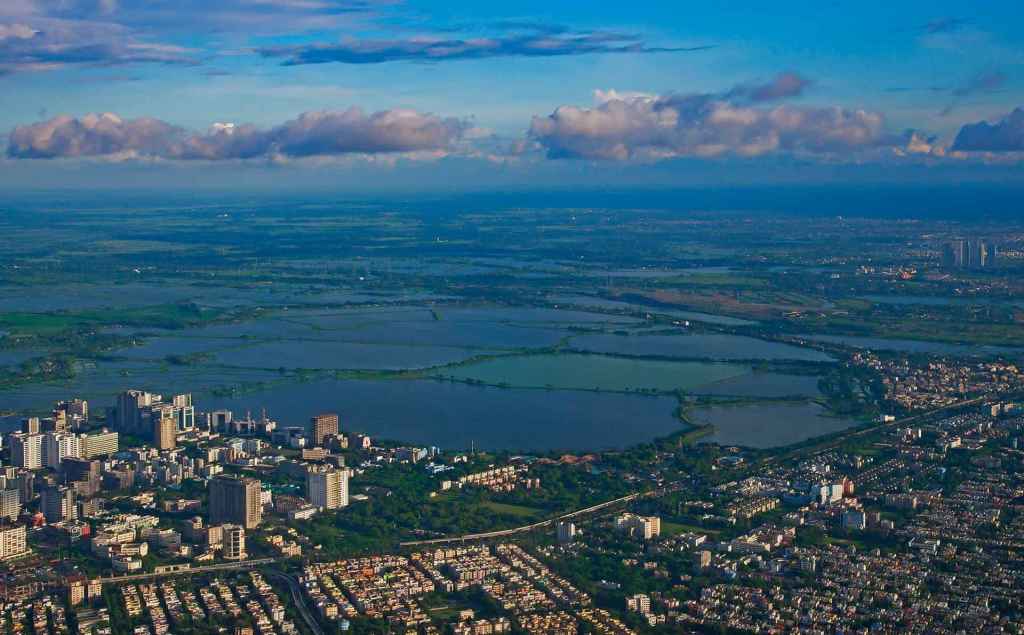
I stepped inside and let the warm steam fog up my mug. To understand the real worth of nature, consider this: in 2020, the World Economic Forum estimated that half of global GDP—about $45 trillion—depends directly on the services nature provides. In 2019, a report by the Intergovernmental Science‑Policy Platform on Biodiversity and Ecosystem Services (IPBES) found that the further decline in bees can cost agriculture roughly $235 – $500 billion in a single year. And right here in Kolkata, the East Kolkata Wetlands quietly treat wastewater each season to the tune of ₹400 crore worth of conventional infrastructure.
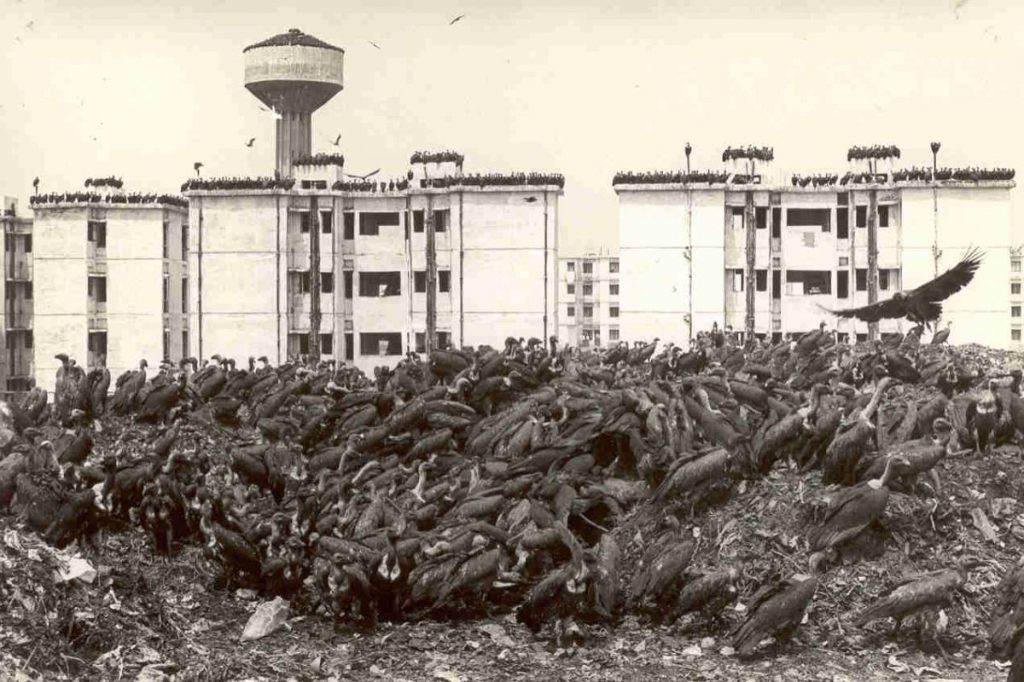
A stark example I recall is the tragic outcome when we ignore nature’s silent laborers. In India, vultures once cleared away countless animal carcasses in a matter of hours—until a toxic veterinary drug drove their numbers down by over 95 percent. Suddenly, rotting carcasses piled up, feral dog populations exploded, and rabies cases surged. The government ended up spending more than US $34 million on extra vaccines and treatments, while makeshift carcass‐rendering plants now cost upwards of ₹15 lakh each per year to manage what vultures once devoured for free. To make matters worse, the broader social cost of this ecological collapse has been estimated at around US $350 billion—an eye‑opening reminder that undervaluing even the humblest creatures can come back to cost us dearly.
Later today, I caught my own reflection in the window as I put away groceries and realized how much of my comfort relies on unseen nature. The water that filled my cup came from somewhere high in a reservoir or deep underground. The bread I baked sprang from soil nourished by rains like this. Even the cool air I breathe was shaped by forests. It’s so easy to reach for the newest gadget or a bright jewel and forget the living world that quietly supports us. We prize luxuries, yet neglect water, soil, air—the true foundations of life. As Pavan Sukhdev reminds us, “What we value is what we measure,” and perhaps because nature’s worth can’t be tallied in dollars, we so often overlook it. But moments like this—smelling rain on dry earth, tasting water in my tea, seeing how green the garden looks—gently remind me of what really matters.
Tomorrow, we’ll slip back into our usual hustle and bustle, likely stepping over fallen leaves without a second thought. Yet when the next rain begins, I’ll pause at my balcony, counting each drop as a treasure—because true wealth isn’t counted in carats, but in the life those droplets sustain.
 shomeclicks
Leave a comment